
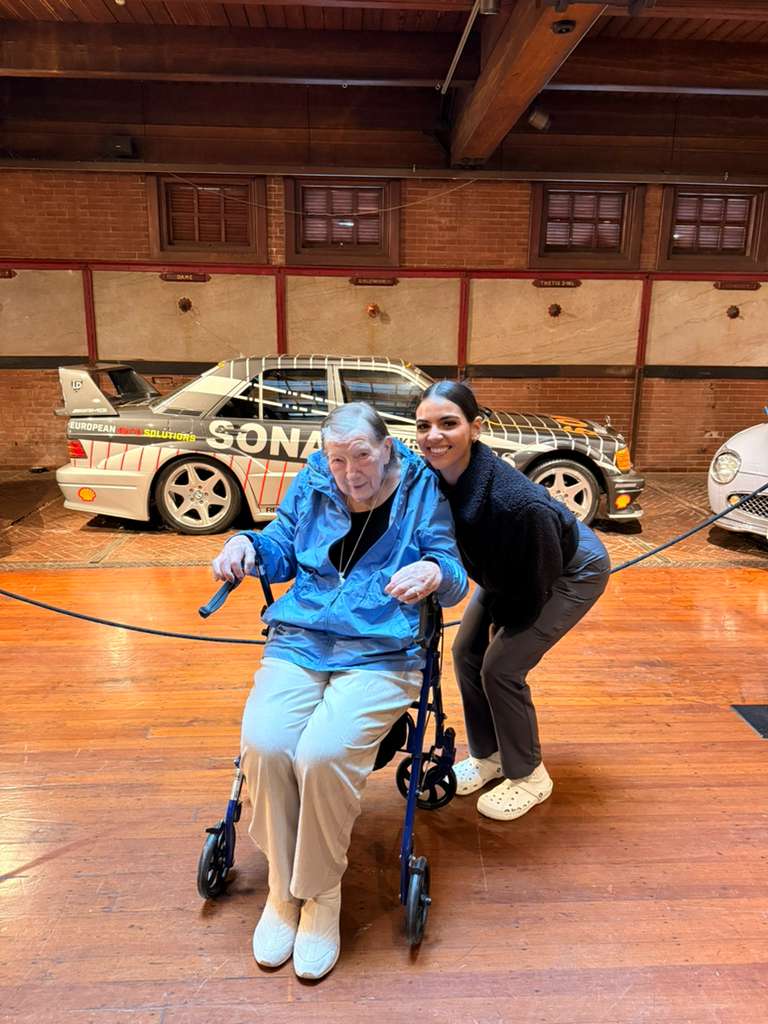
With years of experience, compassion, and dedication, we provide well-organized home health care services that nurture love, relationships, and growth. At Georgia Girls Care, every patient is family, and every moment matters.
Managing Medications with Homecare Support: Tips for Families

Proper medication management is crucial for seniors’ health. Learn how homecare services can help ensure medications are taken correctly and discover practical tips for medication safety at home.
Medication management becomes increasingly complex as we age. Many seniors take multiple medications for various health conditions, and keeping track of dosages, timing, and potential interactions can be overwhelming.
The Challenge of Medication Management
Older adults often face unique challenges with medication management: multiple medications, complex schedules, memory issues, physical limitations, and drug interactions.
How Homecare Services Help
Companion or personal care services often include medication reminders. For seniors who cannot manage medications independently, trained caregivers can administer medications according to prescribed schedules and ensure proper dosages are given.
Creating a Medication Management System
Maintain a current medication list that includes medication name, dosage and frequency, purpose, prescribing doctor, and pharmacy information. Use a pill organizer to help manage medications effectively.
Remember, asking for help with medication management is a sign of responsible care, not a failure. The goal is ensuring your loved one receives the medications they need, in the right amounts, at the right times, safely and consistently.
How to Prepare Your Home for Homecare: A Safety Checklist

Making your home safe for homecare services is essential. This comprehensive room-by-room guide helps you identify and address potential safety hazards in your loved one’s home.
Welcoming homecare services into your home requires some preparation to ensure both your loved one’s safety and the caregiver’s ability to provide effective assistance. A well-prepared home environment supports better care outcomes and reduces the risk of accidents.
Why Home Safety Matters
Falls are the leading cause of injury-related deaths among seniors, and most falls occur in the home. Fortunately, many home safety hazards can be identified and corrected, significantly reducing risk and supporting seniors’ ability to remain safely in their homes.
General Home Safety Principles
Before addressing specific rooms, consider these overall safety strategies: ensure adequate lighting throughout the home, remove or secure loose rugs, keep floors dry and non-slip, and clear pathways of clutter.
THE BATHROOM: Highest Risk Area
The bathroom presents the highest risk for falls and accidents. Install grab bars near toilet, shower, and tub; use non-slip bath mats; and install shower chair or bench if needed.
THE KITCHEN: Preventing Burns and Falls
Kitchen safety requires attention to both fire and fall prevention. Install automatic shut-off devices for stove, ensure adequate lighting over work areas, and keep fire extinguisher accessible.
THE BEDROOM: Ensuring Restful Safety
Ensure bed height is appropriate, install bed rails if needed, use nightlights, and keep phone or emergency alert device nearby.
By taking time to prepare your home properly, you’re creating an environment that supports the best possible care outcomes for your loved one.
Financial Planning for Long-term Homecare: What Families Need to Know

Understanding the costs of homecare and available financial options helps families plan effectively. Learn about homecare costs, insurance coverage, payment options, and financial assistance programs.
Planning for long-term homecare can be overwhelming, especially when considering the financial implications. Many families are surprised to learn about the various financial assistance programs and insurance options available to help cover homecare costs.
Understanding Homecare Costs
Homecare costs vary depending on the level of care needed, frequency of visits, and geographic location. Understanding these factors helps families create realistic budgets and explore financial assistance options.
Insurance Coverage Options
Many health insurance plans, including Medicare, Medicaid, and private insurance, may cover certain homecare services. It’s important to understand what services are covered and what documentation may be required.
Financial Assistance Programs
Various federal, state, and local programs provide financial assistance for homecare services. These programs may have eligibility requirements based on income, age, or health conditions.
Working with a financial planner or homecare agency can help families navigate these options and develop a comprehensive financial plan for long-term care.
10 Signs Your Loved One May Need Homecare Services

Recognizing when an elderly family member needs professional homecare can be challenging. Learn the key indicators that suggest it’s time to consider homecare assistance.
Many families struggle with knowing when to seek professional help for their aging loved ones. Understanding the signs that indicate homecare may be beneficial helps families make informed decisions about care.
Physical Decline Indicators
Noticeable changes in physical ability, such as difficulty with daily activities, frequent falls, or declining personal hygiene, may indicate that professional assistance would be beneficial.
Cognitive Changes
Memory problems, confusion, difficulty managing medications, or unsafe behavior may signal that additional support is needed to ensure safety and wellbeing.
Social Isolation
If your loved one has limited social interaction, appears lonely or depressed, or has difficulty maintaining relationships, companion care services may provide valuable support.
Early recognition of these signs allows families to proactively seek appropriate care before situations become emergencies.
What to Expect During Your First Homecare Visit

Your first homecare visit is an important step in getting the care you or your loved one needs. Understanding what to expect can help you prepare and make the most of this initial meeting.
This first meeting serves multiple purposes: it allows the homecare agency to understand your loved one’s situation, helps identify specific care needs, and creates an opportunity for you to ask questions and build trust with the caregiving team.
Before the Visit
Most homecare agencies will schedule the initial visit at a time that’s convenient for you and your loved one. They’ll typically ask you to have any relevant medical records, medication lists, and insurance information ready. It’s helpful to prepare a list of questions beforehand and think about the specific areas where assistance is most needed.
Who Will Come?
The initial visit usually involves a care coordinator or registered nurse from the homecare agency. This professional is trained to conduct comprehensive assessments and understands both medical needs and quality-of-life considerations.
The Assessment Process
The homecare professional will begin by reviewing your loved one’s medical history, current medications, and any chronic health conditions. This helps them understand medical needs and identify any potential health risks that need to be addressed through care.
After the Assessment
Within a few days, the homecare agency should provide you with a detailed care plan based on the assessment findings. This plan will outline specific services to be provided, recommended schedule and frequency of care, and estimated costs.
Remember, this visit is as much about you evaluating the agency as it is about them assessing your needs. Pay attention to how the assessor interacts with your loved one, whether they listen attentively, and if they show respect and compassion.
Understanding Different Types of Homecare Services: Which is Right for You?

Navigating the world of homecare services can feel overwhelming, especially when you’re trying to find the right level of care for your loved one. Understanding the different types of homecare services available is the first step toward making an informed decision.
Homecare services range from light companionship and household assistance to skilled medical care, each designed to support different aspects of daily living and health management.
Companion Care Services
Companion care focuses on social interaction, emotional support, and assistance with light tasks. This level of care is ideal for seniors who are generally healthy but benefit from regular companionship and basic assistance.
Personal Care Services
Personal care includes all companion care services plus hands-on assistance with activities of daily living. This type of care requires trained caregivers who can help with physical tasks safely.
Home Health Care Services
Home health care involves skilled medical services provided by licensed healthcare professionals such as nurses, physical therapists, or occupational therapists. This is typically ordered by a physician and may be covered by insurance.
Remember, seeking help with medication management is a sign of responsible care, not a failure. The goal is ensuring your loved one receives the medications they need, in the right amounts, at the right times, safely and consistently.